
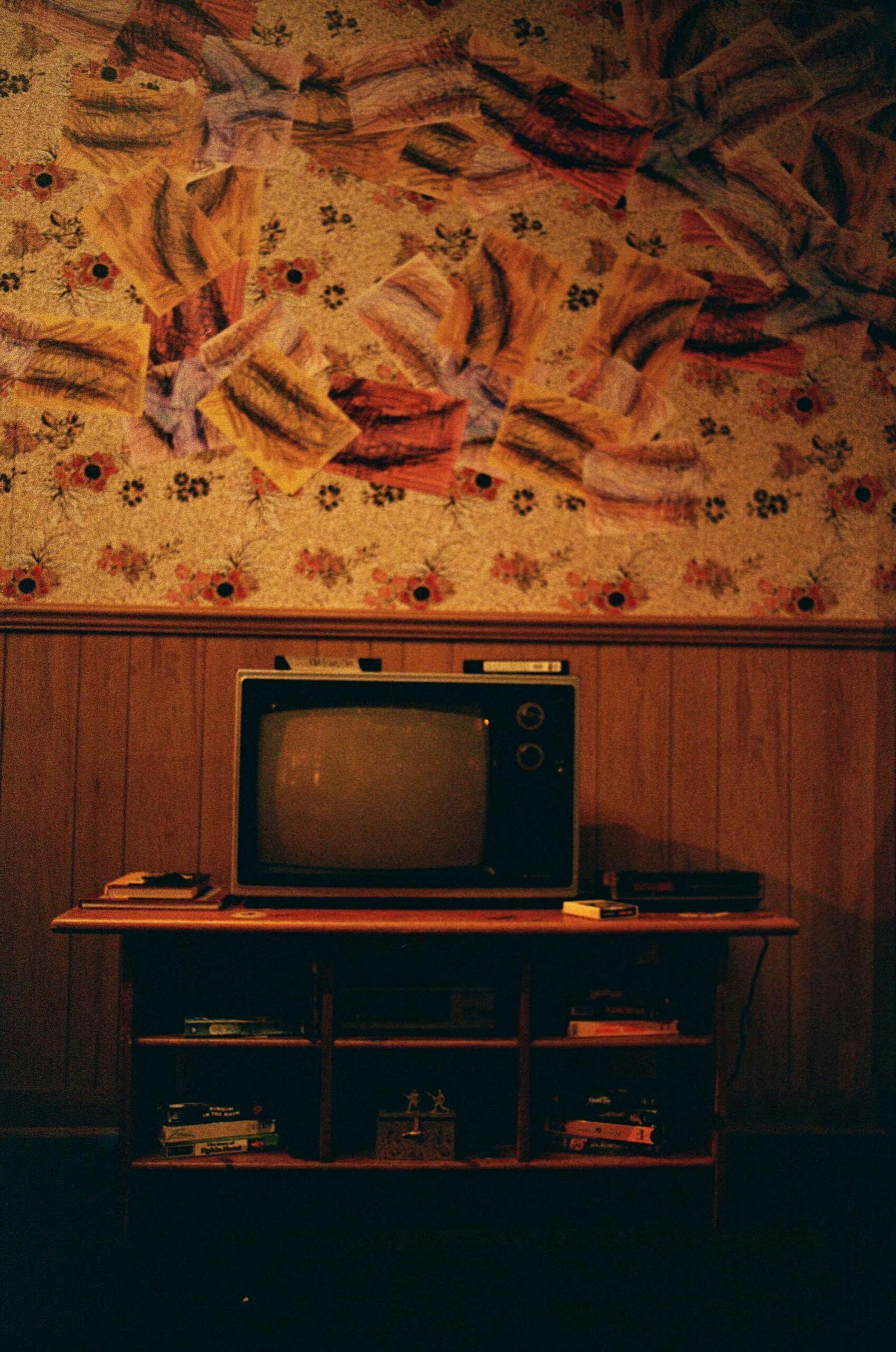
Do You Remember?
Do you remember when you had to be in front of the TV at a specific time to catch a new episode of your favorite show? You might be eating dinner at the table, constantly glancing at the microwave clock, calculating how much time you had left before it started. Maybe there was a rare repeat episode of your favorite show airing that night—one you loved but hardly ever saw—and you were determined not to miss it.
Then a friend knocked on your door. You went outside, lost track of time, and an hour later realized you had just missed the episode. Devastation. You had no idea when you’d get another chance to see it.
That was the reality of watching linear TV.
What is Linear TV?
Linear TV is programming watched on a fixed schedule through cable, satellite, or over‑the‑air broadcasting. The key word is schedule. If you wanted to watch a show or movie, you had to know exactly when it aired—and make sure nothing prevented you from being in front of the TV at that moment.
This is wildly different from today, where almost everything is on demand. Now, if you want to watch a favorite show, you just open the right streaming service and pick any episode at any time.
The Linear TV Experience — and Why It Was Special
Linear TV still exists today, but most people only use it for sports or, if you’re older, the nightly news. The 2000s felt like the last era where linear TV truly mattered. Back then, I was ready to move on—I spent countless hours on YouTube—but now, in the 2020s, you can feel the magic that’s been lost.
Everything felt like an event. Advertisers made sure you knew when a new episode was coming and why you needed to be there. If you missed it, you had to hope for a rerun or dive into the chaotic, early‑internet wilderness to find it.
This mattered even more for big shows everyone was talking about. As an adult, maybe it was Prison Break or Lost. As a kid, maybe it was a new SpongeBob special—or, God forbid, a new episode of Avatar: The Last Airbender.
I say “God forbid” not because I disliked Avatar—I loved it. But in the 2000s, some shows re‑aired constantly, while others barely repeated at all. If you missed a new SpongeBob episode, you’d probably see it again the next day. But Avatar? Nickelodeon didn’t repeat that often. Missing a new episode of a story‑driven show could mean waiting weeks before you got to see that missing part of the plot.
But if you did catch it, going to school or work the next day and talking about it with friends felt incredible.
Shows Felt More Memorable
The shows and movies we watched in the 2000s feel more memorable than many we watch today. Maybe attention spans have been destroyed. Or maybe it’s because of how we consumed them.
Today, you can binge an entire season—or an entire series—in a day or two. In the 2000s, unless you bought the DVDs (if they even existed), you got one new episode a week. Sometimes one a day.
That waiting mattered. You had time to think about what you watched, to remember plot points, to wonder how they’d affect the characters next time. Now, before you even process an episode, the next one is already playing.
TV Blocks and Diversifying What You Watched
TV blocks were one of the best parts of linear TV—honestly, my favorite part. Networks would group similar shows together for hours at a time.
Think of Toonami, the block that introduced so many of us to the golden age of anime. These blocks helped us discover new shows simply because they aired before or after something we already loved. Finding Yu Yu Hakusho because it played near Dragon Ball Z felt magical. Or discovering Code Lyoko because you were watching Miguzi hoping to catch Teenage Mutant Ninja Turtles.
That organic discovery shaped our tastes. Maybe you loved the chaotic Cartoon Cartoons on Cartoon Network’s Friday nights. Maybe you preferred the slightly more mature TeenNick block. Or maybe you were an adult enjoying 80s nostalgia on Nick at Nite.
Either way, you were exposed to so many different programs that each day of the week had something new to look forward to.
The Nostalgia
Streaming is convenient—no doubt. And linear TV had its flaws: missing episodes, plot driven shows airing out of order, reruns of shows you didn’t like that never ended, or favorites that rarely re‑aired.
But despite the downsides, I miss the days of watching shows on a schedule. It made every new episode feel like an event. Even reruns felt special.
The dopamine rush of getting home from school at 3:30, racing to the TV by 4:00 to catch a new episode of Totally Spies or Code Lyoko on Cartoon Network’s Miguzi block—that feeling just doesn’t exist today.